
Table of Contents
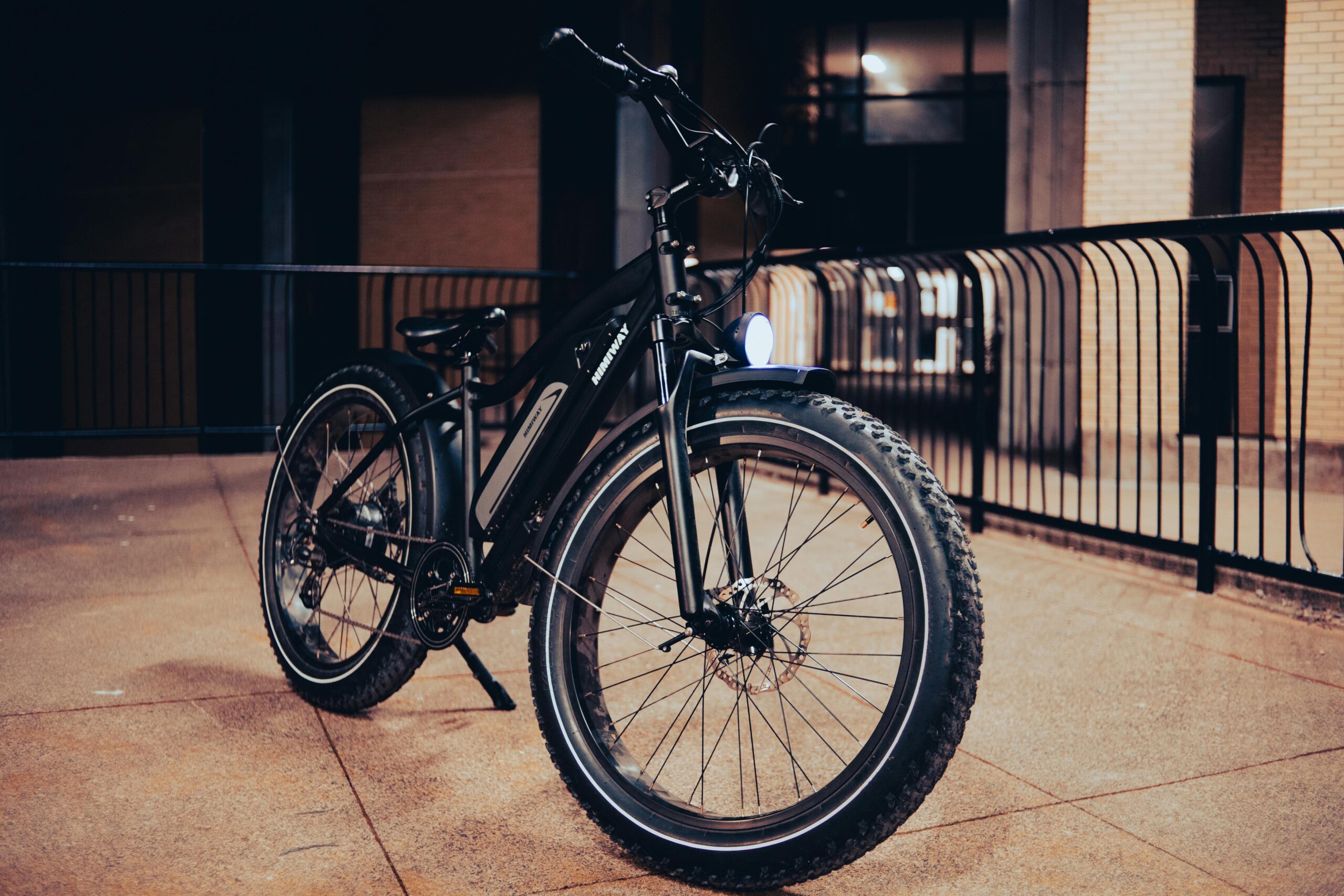
In the realm of sustainable transportation, electric bikes, or e-bikes, have emerged as a revolutionary force, combining the simplicity of traditional bicycles with cutting-edge technology. These two-wheeled wonders are not just a means of commuting; they are a glimpse into the future of eco-friendly and efficient urban mobility.
The Rise of E-Bikes
As cities grapple with traffic congestion and environmental concerns, e-bikes have risen to prominence as a viable solution. With an electric motor assisting pedaling, these bikes offer a smooth and effortless ride, making them an attractive option for commuters, fitness enthusiasts, and eco-conscious individuals alike.

Smart Integration
One of the key technological features that set modern e-bikes apart is smart integration. Many models come equipped with sensors and connectivity options that allow riders to sync their bikes with smartphones or smartwatches. This integration provides real-time data on speed, battery life, and even fitness metrics, offering a personalized and connected riding experience.
Pedal-Assist Technology
At the heart of e-bikes is the pedal-assist technology, which amplifies human pedaling power with an electric motor. This technology comes in various forms, from simple power-on-demand systems to more advanced torque sensors that adjust the level of assistance based on the rider’s pedaling force. The result is a seamless and natural riding experience that caters to individual preferences.

Long-lasting Batteries
Central to the functionality of e-bikes is the battery technology that powers the electric motor. Advances in battery technology have led to the development of long-lasting and lightweight batteries, extending the range and lifespan of e-bikes. Lithium-ion batteries, in particular, have become the standard, providing a balance between energy density, weight, and durability.
Regenerative Braking
Innovative regenerative braking systems have found their way into e-bikes, enhancing energy efficiency. When a rider applies the brakes, the electric motor switches to generator mode, converting kinetic energy back into electrical energy. This regenerative braking not only improves battery life but also adds an extra layer of sustainability to the e-bike ecosystem.
Geared Motors and Hub Motors
E-bikes employ various motor configurations, with geared motors and hub motors being the most common. Geared motors provide a compact and lightweight solution, enhancing efficiency and performance. On the other hand, hub motors, located in the wheel hub, offer a sleek and integrated design. Each technology has its advantages, allowing riders to choose the motor type that best suits their needs.

Navigation and Security Features
Many e-bikes come equipped with GPS navigation systems and anti-theft technologies. Riders can plan routes, receive turn-by-turn directions, and track their e-bike’s location remotely. In addition, integrated security measures such as electronic locks and alarms add an extra layer of protection, making e-bikes not only convenient but also secure.
Conclusion
E-bikes are not just a mode of transportation; they represent a harmonious blend of tradition and technology. With smart integration, advanced pedal-assist systems, long-lasting batteries, and innovative motor configurations, these electric wonders are ushering in a new era of urban mobility. As technology continues to evolve, so too will the capabilities of e-bikes, promising a future where sustainable and tech-savvy transportation coexist seamlessly on two wheels.